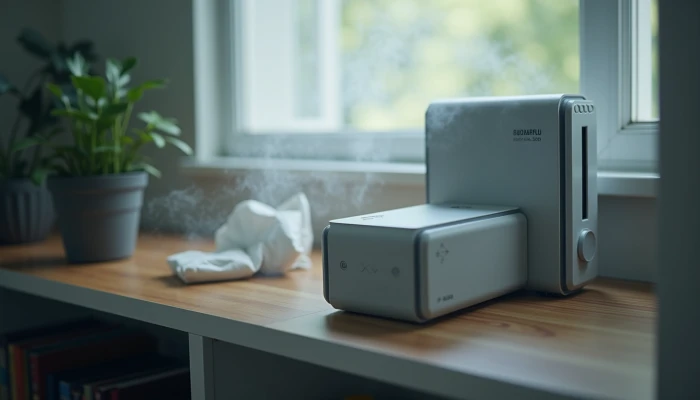
Using a Portable Power Station Safely When Humidity Is High
Portable power stations can be a useful part of home energy resilience, especially for short outages, apartment living, and backup power for essentials. But damp air, condensation, and wet surroundings can create risks that many buyers underestimate.
Humidity does not need to look dramatic to cause problems. A unit used near a damp basement floor, stored in a muggy garage, or charged in a steamy room may face corrosion, short-circuit risk, or battery wear over time.
This guide focuses on safe, realistic handling in humid conditions. It explains what IP ratings can and cannot tell you, where moisture exposure becomes risky, and how to use, charge, and store a portable power station more safely without assuming it is waterproof just because it is marketed for backup or outdoor use.
Understanding IP Ratings for Humidity Resistance
IP ratings help you understand how much protection a device has against dust and water. They are useful, but they are often misunderstood.
In simple terms, an IP rating is not a promise that a unit is safe in any wet or humid setting. It is a limited test standard. A higher rating may mean better resistance to certain kinds of water exposure, but it does not mean the unit can sit in damp conditions indefinitely.
For example, guidance explaining ratings such as IP65 and IP67 commonly notes that temporary water exposure is different from long-term moisture exposure. A unit may tolerate splashes or brief immersion under test conditions, yet still be a poor fit for repeated use in a wet shed, on soaked ground, or in heavy condensation.
A practical way to read the label is this:
| Rating idea | What it usually suggests | What it does not mean |
|---|---|---|
| Lower or no clear IP rating | Limited stated moisture protection | Safe around steam, rain, or damp storage |
| IP65-type protection | Resistance to dust and water jets in defined conditions | Safe for submersion or constant wet air |
| IP67-type protection | Temporary immersion resistance in defined test conditions | Safe for ongoing exposure, flooding, or repeated soaking |
Before using a solar generator or battery unit in a humid area, check more than the headline rating. Look for the manual’s details on:
- allowed operating humidity
- storage humidity range
- whether ports must stay covered when not in use
- whether charging is restricted in damp environments
- whether the rating applies to the whole unit or only when all covers are fully closed
That last point matters. If a port cover is open during charging or use, the real-world protection may be lower than the rating suggests.
The safest approach is to treat the IP rating as one part of the decision, not a guarantee. If the manufacturer does not clearly describe humidity limits or wet-weather precautions, assume you need a dry, sheltered setup.
Moisture Exposure Risks and Mitigation
Humidity can affect a portable power station even when no rain is falling. Moist air can contribute to corrosion on connectors, moisture intrusion around seams or ports, and condensation when a cold device is moved into a warm room.
Over time, that can raise the chance of poor electrical contact, charging faults, or battery degradation. In more serious cases, moisture and electricity together can create shock or short-circuit hazards.
The highest-risk situations are often ordinary ones:
- charging near a sink or laundry area
- using the unit on a wet patio or damp ground
- storing it in a basement with seasonal humidity spikes
- leaving cables plugged in where connectors collect moisture
- moving the unit between air-conditioned and hot humid spaces too quickly
If you need backup power for outages in a humid environment, reduce exposure first rather than relying on rugged marketing language.
Use this quick risk check before setup.
| Situation | Risk level | Safer move |
|---|---|---|
| Dry indoor room with airflow | Lower | Keep unit off the floor and away from water sources |
| Covered porch during muggy weather | Moderate | Use only if manufacturer guidance allows it and keep ports protected |
| Bathroom, laundry room, or near cooking steam | High | Move to a dry room before use or charging |
| Wet ground, active rain, or flood-prone area | Very high | Do not use there; relocate to a dry protected space |
A few practical mitigation steps can make a big difference.
- Keep the unit on a stable, dry surface rather than directly on concrete, soil, or wet decking.
- Protect it from direct rain, mist, and splashing water.
- Avoid leaving unused cables attached where connectors can collect damp air or drips.
- If the area is humid, use moisture-control aids nearby, such as silica gel packets in the storage container or cabinet.
- Let a unit acclimate if it has been moved from a cold space into warm humid air before charging it.
Also pay attention to warning signs. Stop using the unit and inspect the manual if you notice:
- visible condensation
- corrosion on ports or plugs
- unusual heat while charging
- flickering output or charging interruptions
- a musty or burnt smell
This is especially relevant if you use a battery backup for home essentials like a router, lights, CPAP, fan, fridge, or sump pump accessory. Moisture problems may not show up immediately, but repeated exposure can shorten the life of the unit and increase safety risk.
Safe Storage Practices for Humid Environments
Storage is where many moisture problems start. A unit may seem fine during occasional use, then slowly degrade because it spends months in a damp garage, basement, shed, or utility closet.
A good storage area should be dry, ventilated, and protected from temperature extremes. Practical guidance often recommends keeping humidity in a moderate range, around 40–60% relative humidity, rather than in persistently damp air.
If your home tends to run humid, use a simple storage checklist.
- Choose an indoor location that stays relatively dry year-round.
- Keep the unit off the floor on a shelf or sturdy platform.
- Add silica gel packets or another moisture-control method nearby.
- Use a humidity meter if the room is often muggy and you are unsure of conditions.
- Avoid direct sunlight and heat sources.
- Check the manual for the recommended charge level for long-term storage.
Some manufacturer maintenance guidance also suggests avoiding storage at full charge or fully empty for long periods. For many battery systems, a partial charge is better for long-term storage, but the exact target should come from the model-specific manual.
A sealed bin can help in some homes, but only if it is truly dry inside and not trapping moisture with the device. If you use a container, add a humidity-control method and inspect it regularly.
Places that often need extra caution include:
- unfinished basements
- detached garages
- attic storage
- outdoor closets
- any area with known leaks or seasonal flooding
If those are your only options, add layers of protection rather than assuming the unit will be fine. Raise it above floor level, control humidity in the room if possible, and inspect ports and casing regularly for early signs of corrosion.
Safe storage practices are not just about preserving battery life. They also reduce the chance that you discover a problem only when you need the unit during an outage.
Charging Safety in Humid Conditions
Charging is the moment when moisture risk matters most, because the unit, charger, and wall power are all involved at once.
The first rule is simple: charge in a dry, ventilated area. Do not charge in a bathroom, near a sink, beside a damp basement wall, or anywhere condensation is visible. Even if the unit itself has some water resistance, charging ports and cable connections are a more vulnerable point.
The second rule is to use the charger the manufacturer specifies or approves. Safety guidance for portable power stations commonly emphasizes the importance of the correct charger, battery management system protections, and avoiding overload conditions.
A practical charging routine looks like this:
- Inspect the unit, cable, and ports for moisture, dirt, or corrosion.
- Move the unit to a dry, stable surface with airflow around it.
- Confirm hands and plugs are dry before connecting anything.
- Use the approved charger and avoid improvised adapters unless the manual clearly allows them.
- Monitor the first part of the charge if the environment has been humid.
- Unplug and stop if you notice unusual heat, odor, or charging errors.
A few charging mistakes are worth avoiding.
| Mistake | Why it is risky | Safer alternative |
|---|---|---|
| Charging near water or steam | Raises shock and short-circuit risk | Charge in a dry room away from moisture sources |
| Using an unknown third-party charger | May not match safety or charging requirements | Use the approved charger or a clearly supported replacement |
| Covering the unit tightly while charging | Can trap heat and moisture | Keep it sheltered but ventilated |
| Charging immediately after rain or condensation exposure | Moisture may still be present in ports or seams | Dry and inspect first, then charge only when conditions are normal |
If you use solar input, the same caution applies. Panels may be outdoors, but the power station itself should still be placed where the manufacturer allows, with attention to dry connectors and protected cable routing.
For households building practical backup plans, charging habits are part of resilience. A portable unit is most useful when it is ready to go, but readiness should not come from leaving it in a damp corner or charging it in unsafe conditions.
Conclusion
Portable power stations are convenient, but convenience should not hide the basics of electrical safety. In humid conditions, the most important habits are straightforward: check the IP rating without overestimating it, limit moisture exposure, store the unit in a dry and ventilated place, and charge only in conditions the manufacturer supports.
Those steps help protect both safety and battery life. They also make your backup setup more dependable when you actually need it.
For any model-specific question, the manual should be your final reference. Pay particular attention to operating humidity, storage guidance, charging restrictions, port-cover requirements, and any warnings about wet environments. General safety principles are useful, but the manufacturer’s instructions should decide how your unit is used.