Where Heat Pump Installations Go Wrong in Older Homes
Older homes can be good candidates for heat pumps, but they are also where installation shortcuts tend to cause the most trouble. A system that looks fine on paper can end up noisy, inefficient, expensive to run, or unable to keep rooms comfortable if the installer skips key checks.
The biggest problems usually start before the equipment is even installed. If the home is sized by rule of thumb, if insulation and air leaks are ignored, or if old ductwork and electrical limits are treated as minor details, the heat pump may never perform the way you expect.
This heat pump guide focuses on the practical mistakes homeowners can help prevent. It will not tell you that one setup works everywhere, and it will not promise specific savings. Instead, it walks through the checks that matter most in older homes so you can ask better questions before signing a contract.
The Importance of Manual J Load Calculations
If you want to avoid the most common installation mistake, start with the load calculation. A proper Manual J load calculation estimates how much heating and cooling your home actually needs based on the building itself, not just square footage.
That matters even more in older homes. Two houses with the same floor area can have very different loads if one has drafty windows, little attic insulation, leaky ducts, or rooms that were added later. Manual J is meant to account for factors such as insulation levels, window area, orientation, climate, occupancy, and air leakage.
When contractors skip this step, they often size equipment by habit or by rough rules. That can create two different problems:
- An oversized system may short cycle, turning on and off too often.
- An undersized system may run constantly and still struggle in extreme weather.
- Either mismatch can reduce comfort and increase wear on the equipment.
For homeowners, the practical move is not to perform the calculation yourself, but to confirm that one will be done and reflected in the proposal. Ask what assumptions were used for insulation, air leakage, and design temperatures. If your home has obvious drafts or uneven room temperatures, mention them before the sizing is finalized.
A useful follow-up is to ask whether the contractor also reviewed related design steps beyond Manual J, such as equipment selection and duct considerations. That helps show whether the installer is treating the project as a full system design rather than a simple equipment swap.
Proper Sizing for Older Home Conditions
Proper sizing is closely related to Manual J, but it deserves separate attention because many homeowners still hear simplified advice like "one ton per X square feet." In older homes, that shortcut is especially risky.
A heat pump has to match the home's actual heating and cooling load. If the house loses heat quickly because of poor insulation, air leakage, or weak duct performance, the answer is not always to install a larger unit. Sometimes the better fix is to reduce the load first through weatherization and then size the system around the improved house.
This is also where expectations need to stay realistic. Some older homes may need supplemental heat during the coldest conditions, depending on climate, envelope quality, and the specific system design. That does not mean the heat pump was a bad choice. It means the house and local weather may call for a more tailored setup.
Use this quick mistake-check table when reviewing proposals.
| Sizing issue | Why it happens | What to ask |
|---|---|---|
| System sized by square footage alone | Fast estimate replaces actual load analysis | "Was a Manual J calculation completed for this house?" |
| Equipment oversized to compensate for drafts | Installer tries to brute-force envelope problems | "Should insulation or air sealing be addressed before final sizing?" |
| No discussion of low-temperature performance | Proposal ignores local winter conditions | "How is heating capacity expected to perform in our design temperatures?" |
| No mention of backup or supplemental heat | Assumes every home needs the same setup | "Is supplemental heat recommended for this house and climate?" |
If you are also weighing heat pump vs furnace options, sizing is one of the biggest decision points. A furnace replacement can sometimes hide building-shell problems because it delivers high-temperature heat quickly. A heat pump can still work well, but it usually benefits more from a house that has been measured carefully and tightened where practical.
Insulation and Air Sealing Checks
In older homes, insulation and air sealing are not side issues. They are part of whether the heat pump will feel effective day to day.
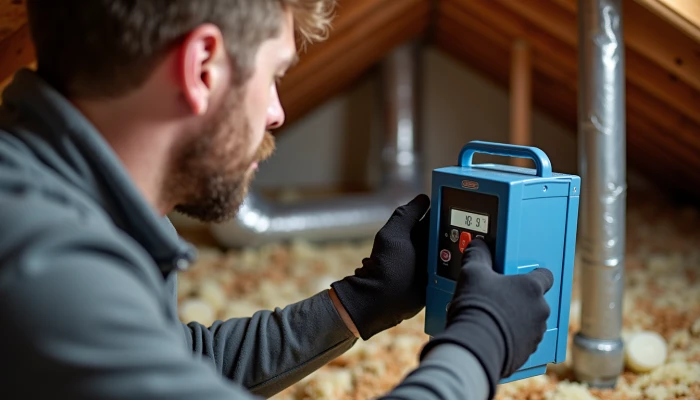
If the attic is underinsulated, if wall insulation is missing, or if floors over crawlspaces are exposed to cold air, the system has to work harder to maintain temperature. The same is true when outside air leaks in around windows, doors, recessed lighting, plumbing penetrations, or duct joints.
This is why insulation checks should happen before the equipment choice is locked in. Older homes often do not meet modern expectations for thermal performance, and the installer's assumptions may be wrong unless someone verifies conditions on site.
A practical pre-installation checklist can help.
- Check attic insulation levels and obvious gaps.
- Look for drafty areas around windows and exterior doors.
- Inspect accessible ductwork for disconnected sections, leaks, or missing insulation.
- Note rooms that are always colder or hotter than the rest of the home.
- Ask whether air sealing or insulation upgrades should happen before final sizing.
You do not need perfect insulation to install a heat pump. But ignoring major weaknesses can lead to disappointment, especially if the sales conversation focused only on the equipment.
For budget-conscious households, this can also help with sequencing. In some homes, modest weatherization work before installation may improve comfort more than spending extra on a larger unit. That does not mean every home needs a full insulation overhaul first. It means the building envelope should be checked so the heat pump is matched to real conditions, not assumptions.
Additional Considerations for Older Homes
Older homes often have hidden constraints that are easy to miss during a quick sales visit. Three of the most important are electrical capacity, ductwork condition, and climate-specific equipment choices.
First, ask about the electrical system. Some homes may need panel space, circuit changes, or other electrical updates before installation. This is not just a paperwork detail. If the electrical side is treated casually, the project can become more expensive or delayed after you have already committed.
Second, have the ductwork inspected if the system will use ducts. Older ducts may leak, be poorly insulated, or be sized for a very different kind of heating system. That can reduce comfort and efficiency even when the heat pump itself is properly selected.
Third, make sure the proposal reflects your climate. Not every system is equally suited to colder conditions, and not every older home is ready for the same approach. Some homes may do well with a cold-climate heat pump. Others may need a hybrid setup or supplemental heat strategy because of the home's envelope, duct layout, or winter design temperatures.
Before you approve the job, ask the installer to walk through this sequence.
- Confirm the home's load calculation and final equipment sizing.
- Review insulation, air sealing, and any major envelope weaknesses.
- Inspect ductwork condition, leakage, and insulation if ducts are being used.
- Verify electrical requirements and whether panel or circuit work is needed.
- Discuss expected performance during the coldest and hottest local conditions.
If backup power matters to you, ask separately how the heat pump would behave during outages. A portable power station or solar generator may help with small essentials in some homes, but they are not automatic substitutes for running a whole heat pump system. That is a separate resilience planning question and should be evaluated based on the equipment's actual electrical demands.
Conclusion
Most heat pump installation problems in older homes start with skipped basics, not bad intentions. When load calculations are rushed, when proper sizing is replaced with rough estimates, or when insulation and duct issues are ignored, the system may never deliver the comfort or efficiency you expected.
The practical path is straightforward: insist on Manual J load calculations, verify proper sizing, and make insulation checks part of the project instead of an afterthought. Then review ductwork, electrical capacity, and cold-weather expectations before the contract is final.
A good installer should be able to explain these tradeoffs clearly and apply them to your specific home. That kind of careful planning is usually more valuable than any simple promise about savings or performance.