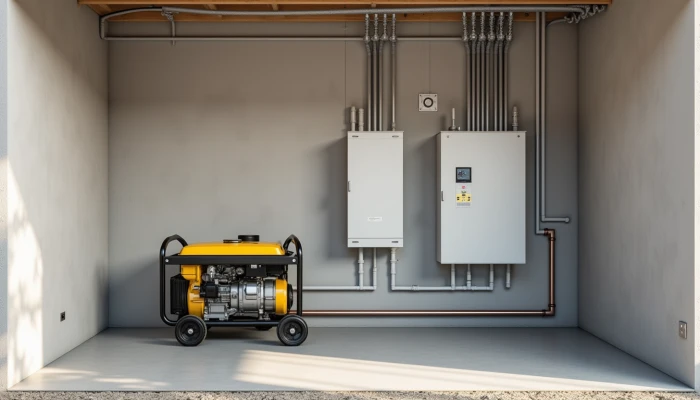
Generator Vs Battery Backup for Home Power Outages: a Practical Comparison
When the power goes out, the first question is usually simple: what do you need to keep running?
For some households, that means a fridge, phone charging, lights, internet, and maybe a sump pump. For others, it may include medical equipment, well pumps, heating equipment, or a larger share of the home. That is where the generator-versus-battery decision gets more complicated.
Both options can support home energy resilience, but they solve different problems. Generators can keep running as long as fuel is available. Battery backup systems are quieter and lower-maintenance, but they have limited stored energy unless they are recharged.
This comparison focuses on the practical tradeoffs: upfront cost, long-term expenses, energy efficiency, maintenance, and which setup tends to fit different outage patterns. The goal is not to declare a winner, but to help you match the system to your actual needs.
Understanding Generator and Battery Backup Systems
A generator makes electricity on demand by burning fuel such as gasoline, propane, diesel, or natural gas. Depending on the setup, it may be a portable unit that you connect manually, or a standby system tied into the home with an automatic transfer switch.
A battery backup system stores electricity ahead of time and delivers it during an outage. That stored electricity may come from the grid, rooftop solar, or sometimes another charging source. Some systems are small portable power station units meant for a few devices. Others are larger installed batteries designed to support selected home circuits or more of the house.
The biggest difference is how each system handles duration.
- A generator can often run for extended outages if fuel is available.
- A battery system runs until its stored energy is used up, then needs recharging.
- A battery paired with solar may extend runtime during daytime production, but output still depends on system design and weather.
There are also practical differences in day-to-day use.
- Generators usually involve engine noise, exhaust, and regular maintenance.
- Batteries are typically quiet in operation and do not create on-site combustion emissions.
- Portable battery units are easier to move and use indoors for small loads, but they usually cannot support whole-home needs.
If you have seen the term solar generator, it usually refers to a battery-based portable power system, not a fuel-burning generator. That label can be confusing, so it helps to check whether the product stores electricity in a battery or produces it by burning fuel.
In short, both technologies can provide backup power for outages, but they do so in very different ways. That difference affects cost, convenience, and what kind of outage each system handles well.
Cost Analysis: Initial Investment and Long-Term Expenses
Cost is where many households start, and it helps to separate upfront price from long-term ownership costs.
In general, generators often look cheaper at the beginning. A portable generator may have a much lower purchase price than a permanently installed battery system. But that lower entry cost does not include fuel, maintenance, safe storage practices, or installation details if you want a transfer switch or standby setup.
Battery systems usually cost more upfront, especially if they are installed to support home circuits rather than just a few plug-in devices. Installation can add meaningfully to the total cost because batteries may need electrical work, load planning, and integration with the home's panel.
Over time, the cost picture can shift.
- Generators usually have recurring fuel costs during outages.
- They also need periodic servicing, testing, and part replacement.
- Batteries generally avoid fuel purchases, but they still have eventual replacement costs.
- Larger battery systems may also involve added installation complexity that affects long-term value.
A simple way to compare is to think in three layers.
| Cost area | Generator | Battery backup |
|---|---|---|
| Upfront equipment | Often lower for portable models | Often higher, especially for installed systems |
| Installation | Can range from minimal to substantial | Often substantial for whole-home or circuit-based setups |
| Ongoing costs | Fuel, maintenance, occasional repairs | Lower routine maintenance, eventual battery replacement |
Outage frequency matters a lot. If outages are rare and short, a modest battery setup may cover essential loads without much ongoing expense. If outages are frequent or long, generator fuel costs may rise, but the ability to keep running can still make a generator more practical.
Energy prices also matter. A battery charged from the grid may be affected by local electricity rates. A generator depends on local fuel prices and fuel availability. Because both vary by region and over time, it is better to compare your own likely usage than assume one option is automatically cheaper.
A good budgeting question is not just, "What does it cost to buy?" It is also, "What does it cost to keep ready, operate during outages, and replace later?"
Energy Efficiency and Reliability During Outages
Reliability during an outage depends less on marketing labels and more on matching the system to the loads you actually need.
Generators are strong on runtime. If the outage lasts for many hours or several days, a generator can often continue operating as long as fuel is available and the unit is maintained properly. That makes generators appealing for homes with critical loads that draw a lot of power, such as well pumps, heating equipment, or multiple appliances.
Battery systems are strong on convenience and efficiency at the point of use. They switch on quickly, run quietly, and can be very effective for essential circuits. But stored energy is finite. If the battery is undersized or the outage lasts longer than expected, you may need to reduce loads or wait for recharging.
This is where load planning matters most.
- A fridge and some lights need far less energy than central air conditioning or electric resistance heat.
- A sump pump may need high starting power even if its average energy use is modest.
- Internet equipment, phones, and laptops are usually easy for batteries to support.
- Whole-home backup is a very different goal from essential-load backup.
Portable battery systems can be useful for short outages, apartments, renters, or households that only want to cover a few devices. But many portable power station models are not realistic substitutes for larger home backup systems if you need to run many circuits for long periods.
Use this quick comparison when thinking about outage performance.
| Question | Generator | Battery backup |
|---|---|---|
| Short outage convenience | Moderate, depending on setup | Strong |
| Long outage endurance | Strong if fuel is available | Limited by storage and recharge options |
| Noise | Higher | Very low |
| Indoor use | No for fuel-burning units | Often yes for battery units used as designed |
| Large home loads | Often better suited | Possible, but depends heavily on system size |
For home energy resilience, the most efficient backup plan is often the one that reduces the load first. A smaller, efficient fridge, LED lighting, weatherization, and realistic load priorities can reduce the size of either backup system you need.
So the reliability question is not only, "Which technology is better?" It is, "Which technology can support my essential loads for the outage patterns I actually face?"
Maintenance Requirements and Lifespan Considerations
Backup power is only useful if it works when needed, so maintenance deserves more attention than it often gets.
Generators usually need more hands-on upkeep. That can include regular test runs, oil changes, fuel management, filter replacement, and attention to safe operation. Fuel storage adds another layer, especially for portable gasoline models. Standby generators may be more convenient than portable units, but they still need routine service.
Battery systems are generally lower-maintenance in everyday use. There is no engine to service and no fuel to rotate. Many systems also include monitoring tools that make it easier to check status. But lower maintenance does not mean no maintenance. Batteries still need proper installation, temperature-appropriate conditions, and occasional system checks.
Lifespan is another tradeoff.
- Battery systems are commonly described as having a lifespan in roughly the 10 to 15 year range, depending on chemistry, usage, and conditions.
- Generators may last longer in calendar years, often 20 years or more with proper care, though that depends heavily on maintenance and operating patterns.
- Battery performance can decline over time, which may reduce usable capacity before the system fully fails.
A practical way to think about this is readiness.
Maintenance checklist before outage season:
- Confirm what loads your backup system is meant to cover.
- Test startup or switchover procedures.
- Check fuel condition and storage rules if you use a generator.
- Review battery charge status and monitoring alerts.
- Make sure extension cords, transfer equipment, and manuals are easy to access.
- Revisit any changes in household needs, such as a new freezer or sump pump.
The lower-maintenance nature of batteries can be a real advantage for busy households. The longer potential service life of generators can also be meaningful. But neither benefit matters much if the system is poorly sized, rarely tested, or difficult for the household to use under stress.
Suitability for Different Household Needs
The right choice depends on your home, outage pattern, and priorities.
Generators are often a better fit when the goal is to support larger loads or ride through long outages. That may include homes with wells, frequent storm outages, refrigeration needs beyond one fridge, or equipment that draws too much power for a modest battery setup.
Battery systems often fit households that want quieter operation, less routine maintenance, and backup for a smaller set of essentials. They can also make sense for renters or smaller homes if the solution is a portable unit rather than a permanently installed system.
A simple decision framework can help.
| If your priority is... | Generator may fit better | Battery may fit better |
|---|---|---|
| Lowest upfront entry point | Yes, especially portable | Less often |
| Quiet indoor-friendly backup for small loads | No | Yes |
| Multi-day outage coverage | Often yes | Only if well-sized and rechargeable |
| Minimal ongoing maintenance | No | Often yes |
| Running many large loads | Often yes | Sometimes, but usually at higher cost |
You may also be deciding between levels of battery backup, not just battery versus generator.
- A small solar generator or portable battery can cover devices, lights, and maybe a fridge for a limited time.
- A larger home battery can support selected circuits automatically.
- A hybrid setup can combine a battery for short outages and sensitive electronics with a generator for extended outages.
That hybrid approach can be practical for some households because it balances convenience and endurance. The battery handles brief interruptions quietly, while the generator covers longer events if needed.
Before choosing, write down the following.
- Your essential loads.
- How long outages usually last in your area.
- Whether fuel access is realistic during bad weather.
- Whether noise, maintenance, or indoor usability are major concerns.
- Your budget for both purchase and ongoing ownership.
That short list will usually tell you more than broad claims about which technology is supposedly better.
Conclusion
Generators and battery backup systems both improve outage readiness, but they do it in different ways.
Generators usually offer longer runtime and stronger support for larger loads, but they come with fuel dependence, noise, and more maintenance. Battery systems are quieter and easier to live with day to day, but they need enough stored energy to match your outage needs and load priorities.
The practical choice depends on three things.
- What you need to power
- How long outages tend to last
- What tradeoffs you are willing to accept on cost, maintenance, and convenience
If you approach the decision through that lens, you are more likely to build useful backup power for outages instead of paying for capacity you do not need or expecting too much from a system that is too small.