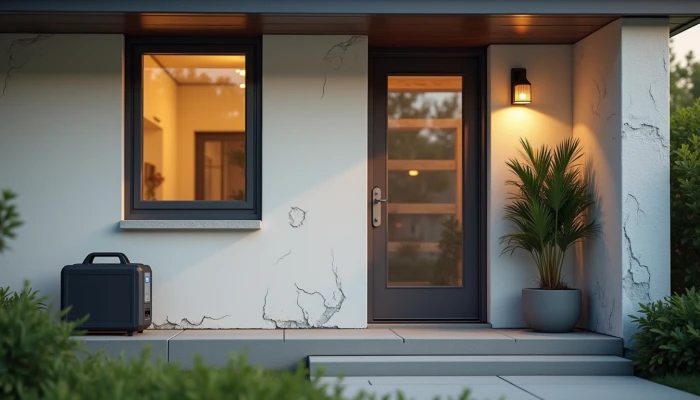
Where Home Energy Reliability Usually Breaks First
Home energy resilience is not just about buying a battery or replacing one appliance. In many homes, the real problems start earlier: aging electrical components, high heating and cooling demand, and no clear plan for what needs power during an outage.
That can make the whole topic feel more complicated than it needs to be. Homeowners and renters often know something is inefficient or unreliable, but not how to diagnose the weak point or decide what to fix first.
A practical approach helps. Instead of assuming one large upgrade will solve everything, it is usually better to identify the most common failure points, match them to lower-cost fixes, and set realistic expectations about what each step can and cannot do.
Use this quick triage checklist before spending money:
- Note what fails first during an outage: heat, refrigeration, internet, lighting, sump pump, or device charging.
- Check whether comfort problems happen all the time or mainly during very hot, cold, or windy weather.
- Look for signs of electrical strain, such as tripped breakers, flickering lights, or too few outlets.
- Identify drafty rooms, uneven temperatures, or unusually high heating and cooling use.
- Decide which loads are truly critical if backup power for outages is the goal.
That process will not produce a perfect answer for every home, but it usually makes the next step much clearer.
Common System Failures in Home Energy Resilience
Many home energy problems are not dramatic failures. They are small weaknesses that show up under stress, especially during peak heating or cooling seasons or short utility outages.
One common issue is outdated electrical infrastructure. Older wiring, undersized panels, worn outlets, and aging breakers can limit what a home can safely run at one time. Even if everything seems fine day to day, these limits become obvious when a new heat pump, space heater, window AC, or backup device is added. Frequent breaker trips, warm outlets, buzzing panels, or extension-cord dependence are signs that the electrical side of resilience may need attention before larger upgrades.
Heating and cooling systems are another major weak point. If a furnace or air conditioner is old, poorly maintained, or badly matched to the home, comfort can drop quickly during weather extremes. In some homes, duct leaks, clogged filters, or poor airflow create problems that look like equipment failure but are really distribution issues. In others, the system works, but the building shell leaks so much air that the equipment is constantly trying to catch up.
A third problem is the lack of backup planning for essential loads. Many households say they want backup power, but have not identified what actually needs to stay on. That matters because a fridge, modem, phone charging, medical device, or sump pump may be manageable with a smaller setup, while whole-home backup is a very different project. Without load planning, people often overestimate what a portable power station or solar generator can run, or underestimate how quickly stored power can be used up.
This simple comparison can help separate the most common failure points:
| Problem area | What it looks like | Why it matters |
|---|---|---|
| Electrical limits | Tripped breakers, flickering lights, overloaded circuits | Can block safe electrification or backup use |
| HVAC inefficiency | Uneven rooms, constant cycling, weak heating or cooling | Reduces comfort and raises energy demand |
| No backup plan | No power for key devices during outages | Turns short outages into bigger household disruptions |
| Poor building shell | Drafts, cold rooms, hot upstairs spaces | Makes every heating and cooling system work harder |
Research and implementation guidance around electrification also consistently point out that outcomes depend on the home's existing setup. That is especially true when comparing heating systems or planning for battery backup without solar. The weak point is often not one product, but the interaction between equipment, wiring, and the building itself.
Cost-Effective Fixes for Everyday Energy Challenges
The most useful fixes are often the least flashy. Before considering major equipment changes, it usually makes sense to reduce the home's energy demand and remove obvious bottlenecks.
Insulation upgrades and weatherization are often the first practical step. Air sealing around doors, windows, attic penetrations, and other leakage points can improve comfort and reduce how hard heating and cooling equipment has to work. For many households, this is more realistic than replacing a full system right away. Even renters may be able to use lower-cost measures such as draft stoppers, removable weatherstripping, or insulating curtains where allowed.
Smart thermostats can also help, but expectations should stay grounded. They are most useful when the home already has a controllable heating and cooling system and the household benefits from scheduling, setback control, or better visibility into runtime patterns. They are not a cure for bad insulation, oversized equipment, or failing ducts. Still, as a lower-cost step, they can improve day-to-day control without requiring a full replacement.
For outage planning, a portable power station can be a practical middle ground. It is often easier to use than a permanently installed system and can cover short-duration needs like charging phones, running lights, keeping internet equipment on, or supporting a fridge for a limited period depending on the load and battery size. A solar generator setup may add recharging flexibility, but it still needs realistic expectations about weather, panel size, and available sunlight.
If you are deciding what to do first, this sequence is usually more cost-conscious than jumping straight to a large purchase:
- Fix obvious air leaks and insulation gaps.
- Service existing heating and cooling equipment.
- Check electrical constraints if you plan to add major loads.
- Define critical outage loads before buying backup equipment.
- Choose a portable power station or larger system based on those loads, not marketing labels.
A few common low-cost or moderate-cost fixes include:
- Replacing HVAC filters on schedule.
- Sealing accessible drafts and attic bypasses.
- Adding basic weatherstripping.
- Using thermostat scheduling more consistently.
- Moving critical devices onto a simple outage plan with charged batteries and labeled cords.
These steps are not as exciting as a major equipment install, but they often improve resilience faster because they reduce demand, simplify decisions, and expose what still needs a bigger fix.
Realistic Expectations for Energy Resilience Investments
Energy resilience upgrades work best when they are matched to the home, the budget, and the actual problem. That means avoiding all-or-nothing thinking.
First, energy savings and comfort improvements vary. A drafty older home in a cold climate will behave differently from a smaller apartment with newer windows. The same thermostat, insulation measure, or heating upgrade can produce very different results depending on the starting point. That is why broad claims about are not very useful for real households.
Second, backup systems need careful sizing. A battery setup that handles lights, internet, and phone charging may not support electric resistance heat, central air conditioning, or cooking equipment for long. Even backup power for a fridge depends on startup surge, runtime, and how often the door is opened. For some households, a portable power station is enough for short outages. For others, especially where water movement or medical equipment is involved, more planning is needed.
Third, electrification has tradeoffs. A heat pump can be a strong option in many homes, but cost outcomes depend on local utility rates, climate, the condition of the existing system, and whether the home first reduces heating demand through weatherization. Guidance on electrification repeatedly emphasizes that rates, efficiency, and home conditions all shape the result.
Use this framework to set expectations before investing:
| Question | Why it matters |
|---|---|
| What problem am I solving first? | Prevents buying equipment that does not address the real issue |
| What loads are critical in an outage? | Helps size backup power more accurately |
| How leaky or inefficient is the home now? | Affects the value of HVAC and insulation upgrades |
| Are local energy rates favorable for electrification? | Influences operating cost outcomes |
| Is the electrical system ready? | Determines whether upgrades are simple or more involved |
A realistic goal is not perfect independence from the grid. For most households, it is better to aim for fewer comfort problems, lower vulnerability during outages, and a home that can support future upgrades without major surprises.
That may mean accepting a phased plan. For example, weatherize first, then improve controls, then revisit heating equipment, then add backup power sized around critical needs. That approach is often slower, but it is usually more durable than trying to solve everything with one expensive purchase.
Conclusion
The most effective home energy resilience plan is usually not the most extreme one. It is the one that identifies the weak points clearly and fixes them in a sensible order.
In many homes, that means starting with maintenance, air sealing, insulation, and a realistic outage plan before moving to larger investments. Those smaller steps can improve comfort, reduce strain on existing systems, and make later upgrades easier to size and justify.
The goal is not to chase a universal formula. It is to build a home that handles everyday energy challenges a little better each year, using evidence-based choices that fit your space, budget, and local conditions.