Backup Power Without Panels: What a Standalone Battery Can Really Do
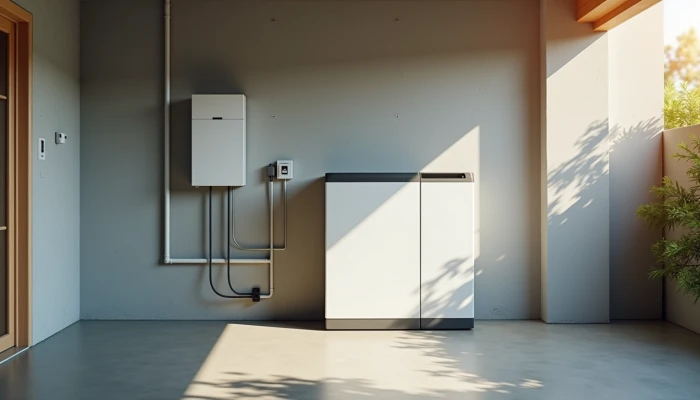
If you want backup power during outages, solar panels are not the only path. A standalone battery system can store electricity from the grid and deliver it later when the power goes out.
That can be appealing if you rent, have a shaded roof, live under HOA restrictions, or simply do not want the cost and complexity of a full solar installation. It can also be useful for households that want quieter, lower-maintenance backup power for a few key loads instead of a whole-home setup.
Still, a home battery backup without solar comes with tradeoffs. You need to think about how much power you actually need, how long outages usually last in your area, how the battery will recharge, and whether the cost makes sense compared with a generator or a smaller portable power station.
This guide stays focused on those practical questions. It covers how non-solar battery systems work, what they typically cost, which charging options are realistic, and where the limitations matter most.
How Non-Solar Battery Systems Work
A non-solar battery backup system is still a battery storage system. The main difference is where it gets its energy. Instead of depending on rooftop panels, it charges from the electric grid and, in some setups, from another source such as a generator.
At a basic level, the system stores electricity in a battery pack, then uses an inverter to turn that stored DC power into AC power your home can use. A controller manages charging and discharging so the battery operates safely and within its design limits.
In practice, there are a few common setup types.
- Portable power stations plug into a wall outlet to charge and can run devices directly from built-in outlets.
- Dedicated home battery systems are usually wired into selected circuits or a backup subpanel.
- Hybrid-capable systems may accept charging from the grid, a generator, and sometimes future solar if you add it later.
Many implementation guides note that grid charging can happen during normal operation, not just before an outage. Some households also use scheduled charging during lower-rate periods where utility plans allow it, though that does not automatically mean meaningful savings for every home.
The biggest design choice is whether you want to back up a few essentials or larger parts of the home. Essentials often include:
- Refrigerator
- Internet equipment
- Lights
- Phone charging
- Medical devices
- Sump pump
- Small electronics
Whole-home backup is a much bigger ask. Large loads such as central air conditioning, electric resistance heat, ovens, clothes dryers, and some well pumps can quickly exceed what a single battery can deliver.
That is why many systems are designed around load prioritization. Instead of trying to run everything, they keep a short list of important circuits powered first. For many households, that is the most realistic way to use battery backup for outages.
Cost Comparisons for Standalone Battery Systems
Cost is where many backup power decisions become clearer. Standalone battery systems can be practical, but they are not automatically the low-cost option.
The total price depends on more than the battery itself. Capacity, inverter size, transfer equipment, electrical work, and whether the system is portable or permanently installed all affect the final number. A small portable power station may be a few hundred to a few thousand dollars, while a wired home battery system can cost far more once installation is included.
A useful way to compare options is by what they are actually meant to do.
| Option | Typical use case | Main cost drivers | Main tradeoff |
|---|---|---|---|
| Portable power station | Small devices and short outages | Battery size, inverter output, portability features | Limited capacity for household loads |
| Permanently installed battery system | Selected circuits or larger backup needs | Battery capacity, inverter, transfer equipment, installation labor | Higher upfront cost |
| Fuel generator | Higher power output and long runtime if fuel is available | Unit size, installation for standby models, fuel storage or delivery | Noise, emissions, maintenance, fuel dependence |
Compared with solar-paired storage, a battery backup without solar may avoid the cost of panels and related installation. But it also gives up the ability to recharge from sunlight during a prolonged outage. That means the battery may be cheaper than a full solar-plus-storage project while still being more expensive than a simple generator or a smaller portable unit.
When comparing costs, it helps to ask these questions.
- How many devices or circuits must stay on?
- For how many hours do they need to run?
- Do you need automatic switchover or is manual backup acceptable?
- Will the battery need professional installation?
- How often do outages happen where you live?
If outages are rare and short, a portable power station or small battery setup may be enough. If outages are frequent or you need backup for critical loads like a sump pump battery backup or refrigeration, a larger installed system may be easier to justify.
The key is not to compare sticker prices alone. Compare the cost to the level of resilience you actually need.
Non-Solar Charging Options and Efficiency
Without solar panels, the grid is usually the main charging source. That is straightforward: the battery charges from utility power when service is normal, then discharges during an outage or at other programmed times.
Some systems can also recharge from a compatible generator. That can matter during extended outages, because a battery that starts full will eventually run down. In that situation, generator charging can act as a bridge, letting you use fuel more selectively instead of running a generator continuously.
A few systems also support other AC charging arrangements, but the practical home choices usually come back to these two.
- Grid charging for day-to-day readiness
- Generator charging for longer outages
Efficiency matters because every time electricity is stored and then used later, some energy is lost in conversion and battery operation. Source material on home batteries commonly notes that storage is not perfectly efficient, so the amount of power you get back is less than the amount used to charge the system. That does not make battery backup a bad choice, but it does mean batteries are primarily a resilience tool here, not a magic way to stretch electricity.
Charging speed matters too. A battery with modest AC charging input may take many hours to refill from the grid. During a short outage, that may not matter. During repeated outages over several days, slower charging can become a real limitation.
This quick checklist can help you evaluate charging practicality.
- Check whether the system charges from a standard wall outlet, a dedicated circuit, or only through professional wiring.
- Check the maximum AC charging rate.
- Check whether generator charging is supported and under what conditions.
- Check whether the system can power loads while charging.
- Check whether utility rules or rate plans affect when grid charging makes sense.
For renters and smaller homes, portable power stations often offer the simplest charging setup because they can recharge from a regular outlet. For larger homes, a wired battery system may be more seamless, but it usually requires more planning and electrical work.
The main limitation is simple: without solar, your backup energy still depends on outside electricity or fuel to recharge. That is workable for many households, but it changes how resilient the system is during a long outage.
System Limitations and Realistic Expectations
The biggest mistake with home battery backup is expecting too much from too little capacity. Batteries are excellent for silent, instant backup of essential loads, but they are not automatically a whole-home solution.
If you want to run large appliances for a long outage, capacity becomes expensive quickly. Industry guidance often notes that whole-home backup or multi-day outage coverage may require multiple battery units, especially if you want to support heating, cooling, cooking, or other heavy loads.
That is why it helps to match the system to a specific outage plan.
| Goal | More realistic battery fit | Where problems start |
|---|---|---|
| Keep phones, lights, internet, and a fridge running | Small to battery setup | Long outages without a recharge plan |
| Keep a sump pump or medical device backed up | Dedicated or carefully sized backup system | High surge loads or underestimated runtime |
| Run most of the home as usual | Large installed system with multiple batteries | High upfront cost and limited duration for heavy loads |
Battery lifespan is another practical limit. Source-backed guidance commonly places typical lithium-ion home battery life in roughly the 5- to 15-year range, depending on chemistry, depth of discharge, temperature, and how often the system cycles. That means a battery is not a one-time purchase that lasts forever. Replacement timing should be part of the long-term cost discussion.
Outage patterns also matter. A battery setup that feels worthwhile in one region may feel excessive in another. If your area mostly sees short outages a few times a year, a modest system may cover your main needs. If your area faces repeated storm outages or multi-day interruptions, recharge strategy becomes much more important.
A simple expectation-setting framework is:
- List your must-run loads.
- Separate them from nice-to-have loads.
- Estimate how long outages usually last in your area.
- Decide how you will recharge if the outage lasts longer than one battery cycle.
- Compare that answer with a generator, a portable power station, or a mixed approach.
For many households, the most realistic result is not "battery or generator." It is a narrower decision such as "small battery for quiet essentials" versus "larger system for selected circuits" versus "generator for long-duration backup."
That kind of framing leads to better decisions than assuming any battery backup for home use will cover every outage equally well.
Conclusion
A standalone battery can be a practical way to improve home energy resilience without installing solar panels. It can keep essential devices running quietly, recharge from the grid, and in some cases work with a generator for longer outages.
But the tradeoffs are real. Capacity is limited, larger systems get expensive, charging losses exist, and long outages are harder to manage without a clear recharge plan. Battery lifespan and local outage patterns also affect whether the investment fits your household.
The most useful starting point is not the battery itself. It is your outage plan. If you know which loads matter most, how long you need them to run, and how often outages happen where you live, it becomes much easier to decide whether a portable power station, a larger home battery backup, or another backup option makes the most sense.